 Pin It
 There's something about the smell of parsnips roasting in the oven that stops me mid-afternoon. That warm, almost caramel-like sweetness fills the kitchen and reminds me why I keep coming back to this soup, especially when the weather turns chilly. The first time I made it, I was skeptical—parsnips seemed like an odd choice for something creamy and comforting. But one spoonful changed my mind completely, and now it's become the soup I make when I want to feel both nourished and genuinely happy.
I made this soup for my neighbor last winter when she mentioned being exhausted by complicated recipes. Watching her taste it and then immediately ask for seconds—before asking for the recipe—was one of those small kitchen victories that stays with you. She told me later she'd made it twice more that week, and somehow that made the whole process feel meaningful in a way that goes beyond just feeding people.
Ingredients
- Parsnips (800 g, peeled and cut into 2 cm chunks): These are the star, and roasting them is non-negotiable—it transforms their earthiness into something sweet and almost buttery that blending alone cannot achieve.
- Onion (1 medium, diced): The foundation that builds flavor quietly, creating a subtle sweetness that balances the parsnip.
- Garlic cloves (2, minced): Just enough to add depth without overpowering; more than this and the soup becomes about garlic instead of parsnip.
- Potato (1 medium, peeled and diced): This acts as a natural thickener, so you won't end up with something you need to doctor with cornstarch or cream to achieve creaminess.
- Celery stalk (1, sliced): A quiet flavor builder that adds umami and complexity to the background.
- Olive oil (2 tbsp): Split between roasting and sautéing; use good quality if you can, as it becomes more noticeable in a simple soup like this.
- Vegetable stock (1 L): The liquid foundation—homemade is lovely, but a good store-bought stock saves time without sacrificing flavor.
- Sea salt and black pepper: Always taste as you season; parsnips benefit from generous seasoning that you might otherwise think is too much.
- Double cream or crème fraîche (100 ml, optional): This finishes the soup with silkiness, though the potato does most of the heavy lifting; cream is a refinement, not a requirement.
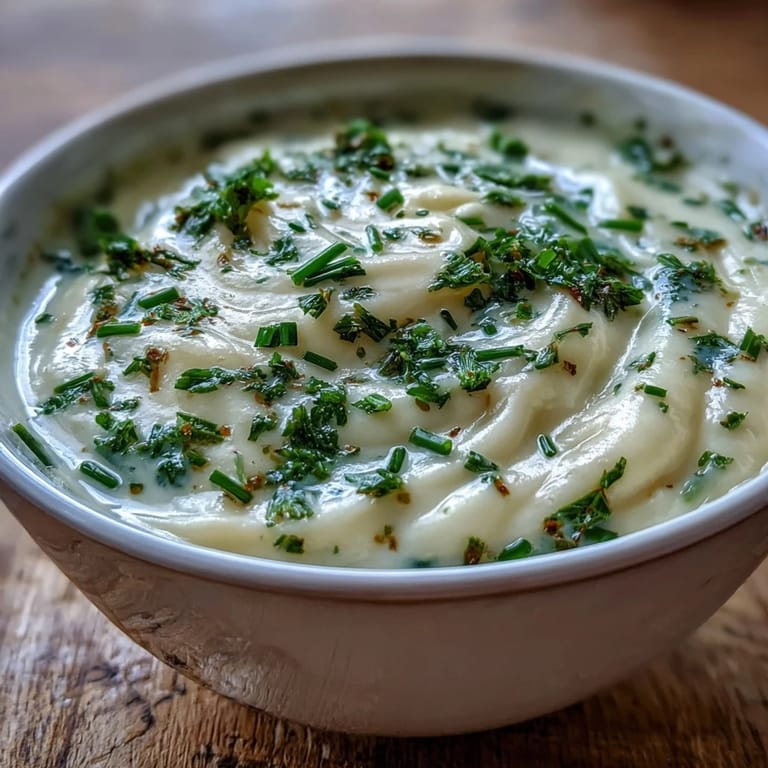
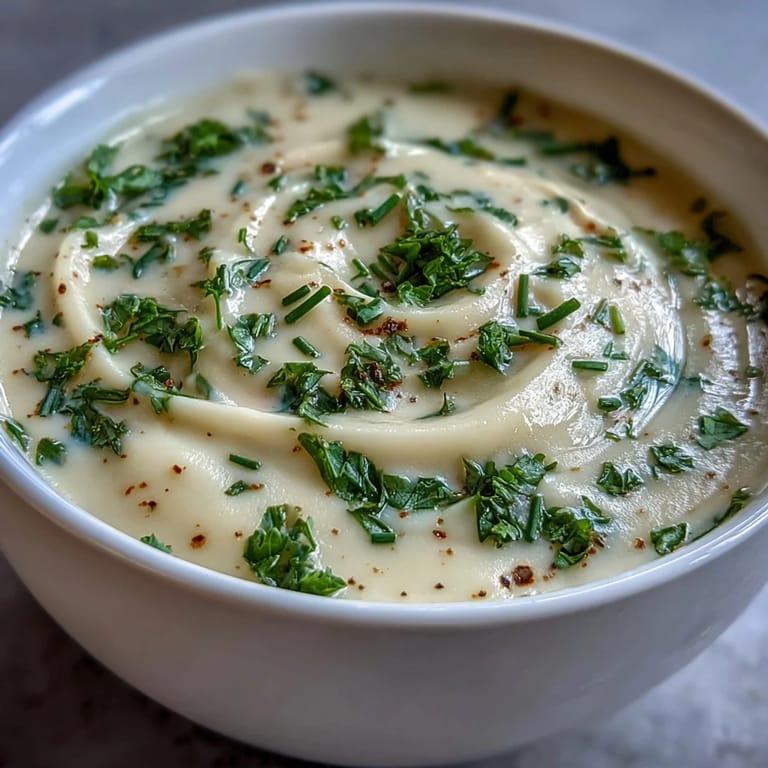
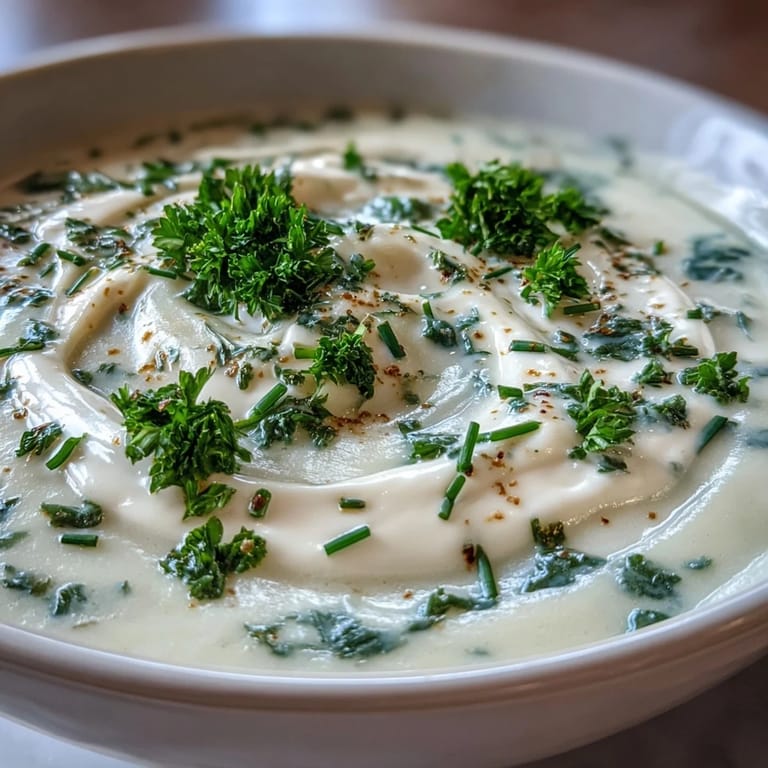
- Fresh herbs (parsley, chives, dill, tarragon): These transform the final bowl from warm and pleasant to bright and alive—don't skip them or save them for another day.
Tired of Takeout? 🥡
Get 10 meals you can make faster than delivery arrives. Seriously.
One email. No spam. Unsubscribe anytime.
Instructions
- Get Your Oven Ready and Start Roasting:
- Preheat to 200°C and toss your parsnip chunks with 1 tablespoon of olive oil and a pinch of salt on a baking tray. As they roast for 25–30 minutes, turning them once halfway through, the kitchen will fill with that distinctive sweet smell—this is the moment the magic begins, as the heat caramelizes their natural sugars.
- Build the Base While Parsnips Cook:
- Heat the remaining tablespoon of olive oil in a large saucepan over medium heat and add your diced onion, minced garlic, sliced celery, and diced potato. Let them soften together for 5–7 minutes, stirring occasionally—you want them pale and tender, not golden or colored.
- Bring Everything Together:
- Once the parsnips emerge from the oven golden and caramelized, add them to the saucepan. Pour in your vegetable stock, bring it to a boil, then lower the heat and simmer gently for 10–15 minutes until every vegetable is completely soft and breaks apart easily with the back of a spoon.
- Blend Until Silky Smooth:
- Remove the pan from heat and use a stick blender, working carefully through the hot liquid until you achieve a completely smooth, velvety texture. If using a countertop blender instead, work in batches and be cautious with hot liquid—a kitchen towel held over the lid helps prevent splashing.
- Add Richness and Season Carefully:
- Stir in your cream or crème fraîche if using it, then taste and adjust your salt and pepper—this is crucial because seasoning at the end ensures every spoonful tastes exactly right. Reheat gently if the soup has cooled during blending.
- Finish and Serve:
- Ladle the soup into bowls and crown each one with a generous handful of fresh herbs—the green brightness is what makes people look up from their spoon and smile.
 Pin It
 My daughter, who is suspicious of most vegetables, asked for a second bowl of this soup without being asked. That moment—when something you made converts a skeptic—is when cooking feels less like a task and more like a small form of magic. It reminded me that simple food, prepared with attention, has a quiet power to change minds and bring people closer.
Why Parsnips Deserve More of Your Attention
Parsnips often get overlooked in favor of their orange carrot cousins, but they have a sweetness and creaminess that carrots simply don't possess. This soup proves that point beautifully—the roasting process unlocks a depth that makes you wonder why you haven't been cooking with them more. Once you taste how silky they become when blended, you'll start seeing them everywhere, wondering why every dinner table doesn't have a bowl of this waiting.
The Herb Finish Matters More Than You Think
Fresh herbs might seem like a garnish, but in a soup this simple, they're the final conversation between the bowl and your palate. The parsley brings brightness, the chives add a gentle onion note, and if you use dill or tarragon, they bring their own personalities to the moment. I've learned to always chop them fresh just before serving—wilted or pre-chopped herbs lose that fresh snap that makes people pause and notice.
Variations Worth Exploring
This soup is forgiving and invites experimentation without losing its soul. A squeeze of lemon juice at the end brightens everything, roasted seeds or crispy bread crumbs add textural contrast, and coconut cream works beautifully if you're avoiding dairy. The beauty is that the parsnip foundation is strong enough to support these changes without falling apart.
- Swap the cream for coconut milk if dairy isn't your thing, or skip it entirely for a lighter version that still feels substantial.
- Add a pinch of nutmeg or cumin while blending for warmth, though taste carefully as these spices can easily overpower the delicate parsnip flavor.
- Serve topped with crispy sage leaves, toasted pumpkin seeds, or a drizzle of herb oil to add texture and visual interest to each spoonful.
 Pin It
 This soup has become my answer to the question of what to cook when I want to feel like I've done something good for myself and everyone I share it with. It's simple enough to make on a busy evening, memorable enough to make people ask for the recipe, and comforting enough to become a ritual you return to again and again.
Recipe FAQs
- → Can I make this dairy-free?
Yes, simply substitute plant-based cream or coconut milk for the double cream. The soup remains velvety and satisfying without dairy.
- → Why roast the parsnips first?
Roasting caramelizes the natural sugars in parsnips, creating deeper flavor and sweetness compared to boiling. This extra step makes all the difference.
- → Can I freeze this soup?
Absolutely. Cool completely before freezing in airtight containers for up to 3 months. Thaw overnight in the refrigerator and reheat gently.
- → What herbs work best?
Fresh parsley and chives provide classic flavor, while dill and tarragon add aromatic complexity. Use whatever fresh herbs you have on hand.
- → How can I add more protein?
Stir in white beans, lentils, or serve with crusty bread topped with cheese. Crispy pancetta or toasted nuts also make excellent garnishes.