 Pin It
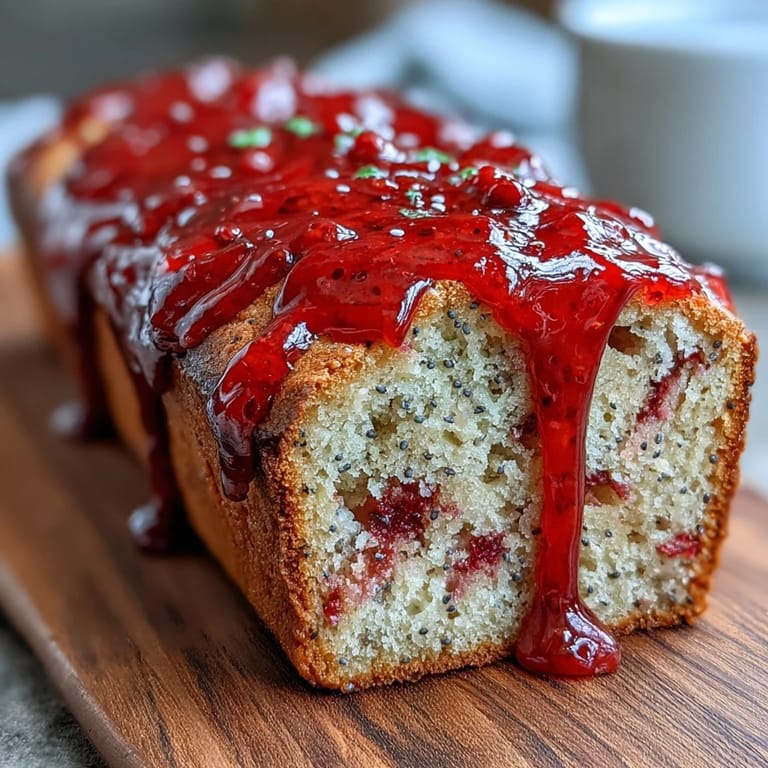
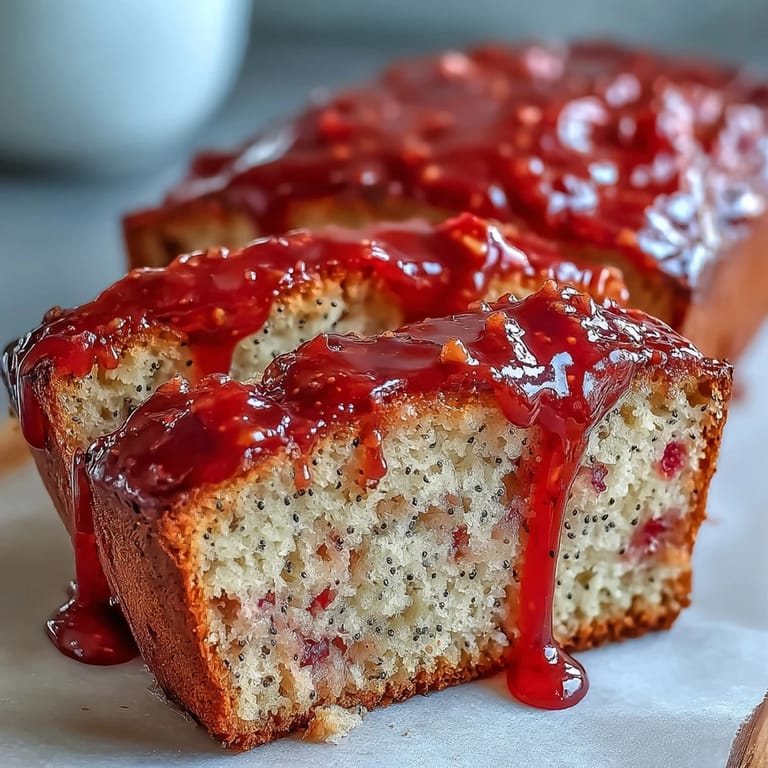
 The first blood oranges of the season showed up at the market on a gray February morning, and I bought six without thinking twice. Their deep crimson flesh reminded me of something special I'd been meaning to bake for weeks. I wanted poppy seeds for texture, marzipan for richness, and that tart-sweet punch only blood oranges can give. By noon, my kitchen smelled like citrus and almonds, and the loaf was cooling on the counter, streaked with ruby glaze.
I made this for a friend's baby shower brunch, and it sat on the table next to scones and fruit salad, glowing like a jewel. People kept asking what made it so pink, and I loved watching them taste it and realize the flavor was as bold as the color. One guest wrapped up two slices in a napkin to take home. That's when I knew this loaf had earned a permanent spot in my repertoire.
Ingredients
- All-purpose flour: The backbone of the crumb, giving structure without weighing down the delicate citrus flavor.
- Baking powder: Creates a tender, even rise, essential for a loaf that slices cleanly and stays fluffy.
- Salt: Sharpens the sweetness and brings out the brightness of the blood orange.
- Poppy seeds: Add visual interest and a subtle crunch that contrasts beautifully with the soft, moist cake.
- Unsalted butter: Contributes richness and helps create that melt-in-your-mouth texture when creamed with sugar.
- Granulated sugar: Sweetens the batter and helps aerate it when beaten with butter and zest.
- Blood orange zest: Where most of the aromatic oil lives, infusing the entire loaf with citrus perfume.
- Large eggs: Bind everything together and add moisture, structure, and a tender crumb.
- Marzipan: Grated into the batter, it melts and disperses, leaving pockets of almond sweetness throughout.
- Blood orange juice: Provides acidity, moisture, and that stunning rosy hue that makes this cake unforgettable.
- Whole milk: Adds creaminess and helps balance the tartness of the citrus.
- Vanilla extract: A quiet note that rounds out the almond and orange without competing.
- Powdered sugar: Blends smoothly into the glaze, creating a silky finish that clings to the loaf.
Tired of Takeout? 🥡
Get 10 meals you can make faster than delivery arrives. Seriously.
One email. No spam. Unsubscribe anytime.
Instructions
- Prep the Pan:
- Preheat your oven to 175°C and line your loaf pan with parchment paper, leaving overhang on the sides so you can lift the cake out easily later. A little butter on the pan first helps the paper stick.
- Mix the Dry Ingredients:
- Whisk together flour, baking powder, salt, and poppy seeds until the seeds are evenly distributed. This step ensures no clumps and a uniform crumb.
- Cream the Butter and Sugar:
- Beat softened butter, sugar, and blood orange zest until the mixture is pale, fluffy, and smells like a citrus grove. This takes about three minutes and is key to a light texture.
- Add the Eggs:
- Crack in one egg at a time, beating well after each addition so the batter stays smooth and emulsified.
- Fold in the Marzipan:
- Grate the marzipan directly into the bowl and fold it through gently. It will look a little lumpy, but that's exactly what you want.
- Combine the Wet Ingredients:
- Stir together blood orange juice, milk, and vanilla in a small bowl. The juice might look shockingly red, and that's perfect.
- Alternate Dry and Wet:
- Add the flour mixture in three additions, alternating with the juice mixture, starting and ending with flour. Stir just until combined, no more, or the cake will toughen.
- Bake the Loaf:
- Pour the batter into the prepared pan, smooth the top, and bake for 45 to 55 minutes. A toothpick should come out clean, and the top should spring back lightly when pressed.
- Cool Completely:
- Let the loaf cool in the pan for ten minutes, then lift it out using the parchment overhang and transfer to a wire rack. Patience here prevents a soggy bottom.
- Make the Glaze:
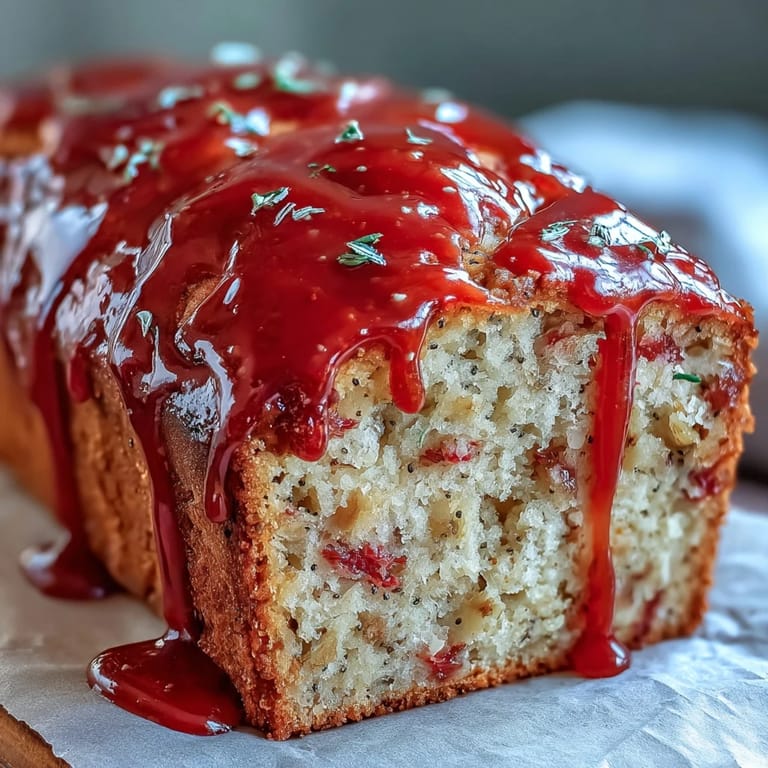
- Whisk powdered sugar with just enough blood orange juice to make a thick but pourable glaze. Drizzle it over the cooled loaf and let it set for at least 15 minutes before slicing.
 Pin It
 One Sunday afternoon, I sliced this cake and served it with hot Earl Grey, and the bergamot in the tea echoed the citrus in the loaf so perfectly that my sister asked if I'd planned it. I hadn't, but I've done it on purpose ever since. It's become my go-to when I want something that feels special but doesn't require finicky techniques or hard-to-find ingredients.
Choosing Your Blood Oranges
Not all blood oranges are created equal. Moro and Tarocco varieties tend to have the deepest color and the most intense flavor, while Sanguinello can be milder and sweeter. I look for fruits that feel heavy for their size and have thin, smooth skin. If they're out of season or unavailable, regular navel oranges work in a pinch, though you'll lose that signature blush and some of the tartness.
Storing and Serving
This loaf keeps beautifully at room temperature in an airtight container for up to three days, and the flavor actually deepens on day two as the marzipan settles into the crumb. If you want to make it ahead, wrap the unglazed loaf tightly in plastic wrap and freeze it for up to a month. Thaw it on the counter, then glaze just before serving so it looks fresh and glossy.
Ways to Make It Your Own
I've stirred a tablespoon of orange liqueur into the glaze for a grown-up version served at dinner parties, and I've swapped the marzipan for almond paste when I wanted a more rustic, less sweet almond flavor. A handful of chopped pistachios folded into the batter adds color and crunch, and a few strips of candied blood orange peel on top make it look like something from a European patisserie.
- Add a splash of Cointreau or Grand Marnier to the glaze for a boozy, aromatic finish.
- Swap marzipan for almond paste if you prefer a deeper, less sweet almond note.
- Fold in chopped pistachios or sliced almonds for extra texture and visual appeal.
 Pin It
 This loaf has a way of turning an ordinary afternoon into something worth remembering, and I hope it does the same for you. Slice it thick, pour the tea, and let the citrus do the talking.
Recipe FAQs
- → Can I use regular oranges instead of blood oranges?
Yes, regular oranges work well, though you'll lose the stunning ruby color. The flavor will be slightly sweeter and less complex. Consider adding a splash of raspberry juice for color.
- → How do I prevent the cake from being too dense?
Avoid overmixing once you add the flour. Mix until just combined, and make sure your butter is properly softened to room temperature for better incorporation of air during creaming.
- → Can I make this ahead of time?
Absolutely! This loaf cake actually improves after a day as the flavors meld. Store in an airtight container at room temperature for up to 3 days, or freeze for up to 3 months.
- → What can I substitute for marzipan?
Almond paste is the closest substitute and provides a deeper almond flavor. You can also use finely ground almonds mixed with a bit of sugar, though the texture will be slightly different.
- → Why is my glaze too thick or too thin?
Adjust the consistency by adding more powdered sugar to thicken or more blood orange juice to thin. The glaze should be pourable but not watery—aim for a honey-like consistency.
- → Can I add other mix-ins to this cake?
Yes! Consider adding white chocolate chips, dried cranberries, or chopped pistachios. Just fold them in gently at the end to avoid overmixing the batter.