 Pin It
 My kitchen counter used to feel like a wasteland of vegetable trimmings—carrot peels, onion skins, celery ends scattered across the cutting board until I tossed them without thinking. Then one quiet afternoon, watching my grandmother strain golden broth through cheesecloth, something clicked: those scraps I'd been discarding were liquid gold waiting to happen. Now I save everything in a freezer bag, and when it's full, I spend an hour transforming kitchen scraps into something that tastes infinitely better than anything from a box.
I made this for a friend recovering from a cold who mentioned she wanted something nourishing but simple. I sipped the warm broth myself while we talked, and neither of us said much for a few minutes—just the sound of spoons against bowls and the steam rising between us felt like enough.
Ingredients
- Vegetable Scraps (5-6 cups assorted trimmings): Carrot peels, onion skins, celery ends, leek tops, mushroom stems, garlic skins, and parsley stems are your friends here—save them throughout the week in a freezer bag until you have enough.
- Bay Leaves (2): These add an earthy backbone without being aggressive; they're the quiet contributor that everyone forgets about until the broth tastes noticeably flat without them.
- Black Peppercorns (8-10 whole): Whole peppercorns release their flavor slowly and gently, giving warmth without the sharp bite of ground pepper.
- Garlic Cloves (2, smashed, optional): Fresh garlic deepens everything, though you can skip this if your scraps already include plenty of garlic skins.
- Fresh Parsley or Thyme Sprigs (1 small handful, optional): These brighten the broth with a subtle herbaceous note that makes you feel like you're drinking something intentional.
- Salt (1-2 teaspoons, to taste): Don't skip seasoning; even scraps deserve respect with proper salt at the end.
- Cold Water (2 liters or 8 cups): Cold water draws out flavors gradually as the temperature rises, creating a cleaner, more delicate broth than starting with hot water.
Tired of Takeout? 🥡
Get 10 meals you can make faster than delivery arrives. Seriously.
One email. No spam. Unsubscribe anytime.
Instructions
- Gather your scraps mindfully:
- Clean them well and avoid bitter vegetables like broccoli, Brussels sprouts, or excess cabbage that can muddy the flavor. Think of this as curating a collection rather than dumping random vegetable parts into a pot.
- Combine everything in the stockpot:
- Layer your scraps, aromatics, and salt together, then pour the cold water over everything. The sight of that pot full of potential never gets old.
- Bring to a gentle boil:
- Watch for the first wisps of steam and the surface to shimmer, then reduce the heat to medium or low so you get a steady, lazy simmer rather than a rolling boil.
- Simmer and occasionally skim:
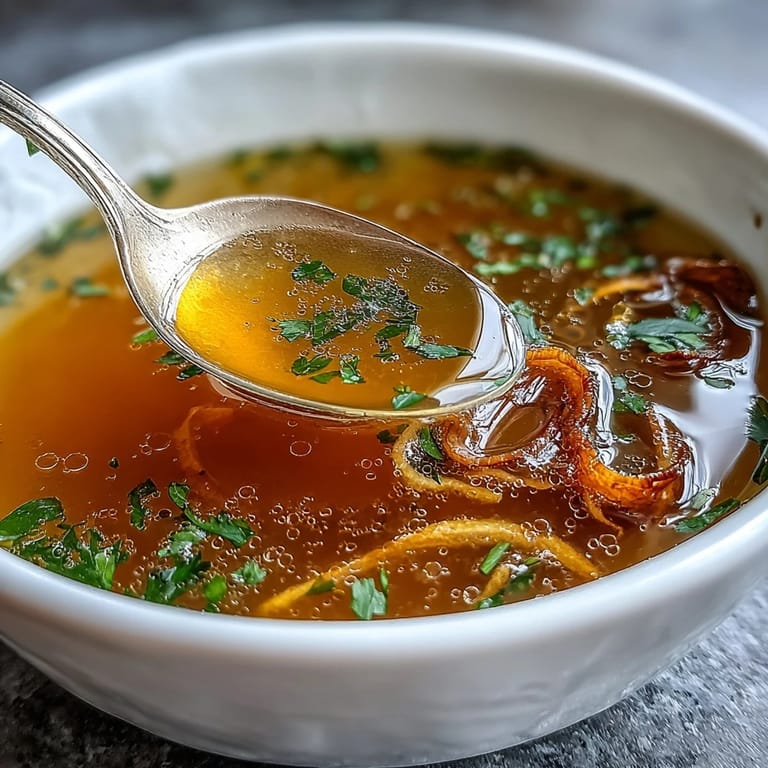
- Let it bubble quietly for a full hour, and every 15 minutes or so, skim any gray foam that rises to the surface with a ladle—this keeps the broth clear and refined. You'll notice the kitchen smells warm and alive.
- Taste and season:
- Once the hour is up, carefully sip a spoonful and adjust the salt until it tastes balanced and flavorful, not one-dimensional.
- Strain with care:
- Pour the broth slowly through a fine-mesh sieve or cheesecloth into a large bowl, letting gravity do the work rather than pressing down on the solids, which would cloud the broth.
- Cool and store:
- Let the broth cool to room temperature before transferring to airtight containers; refrigerate for up to five days or freeze for three months whenever you're ready to use it.
 Pin It
 There was a morning when I realized I'd been buying vegetable broth in cartons for years while accumulating perfectly good scraps. Switching to homemade felt less like a recipe change and more like finally listening to what my kitchen had been trying to tell me all along.
Scraps Worth Saving
Not all vegetable trimmings are created equal, and knowing which ones belong in your broth bag matters. Carrot peels and onion skins are flavor powerhouses, celery ends add subtle structure, leek greens provide depth without harshness, and mushroom stems bring umami that tastes almost meaty. Even herb stems that seem too woody to use in dishes become valuable here—parsley, thyme, and dill stems simmer down beautifully. The key is thinking ahead: when you're prepping vegetables for dinner, set aside the good stuff instead of letting it fall into the compost.
Vegetables to Skip
Broccoli, cauliflower, and cabbage are tempting because they seem like scraps worth saving, but they overpower the broth with sulfurous, slightly bitter notes that are hard to mask. Green bell peppers can taste sharp and one-note, and beet tops will turn your broth dark pink if that's not what you're after. Potato skins are fine in moderation, but large amounts make the broth starchy and dull. The rule I follow is simple: if a vegetable tastes strong raw, it'll taste stronger in broth, so use restraint.
Ways to Deepen the Flavor
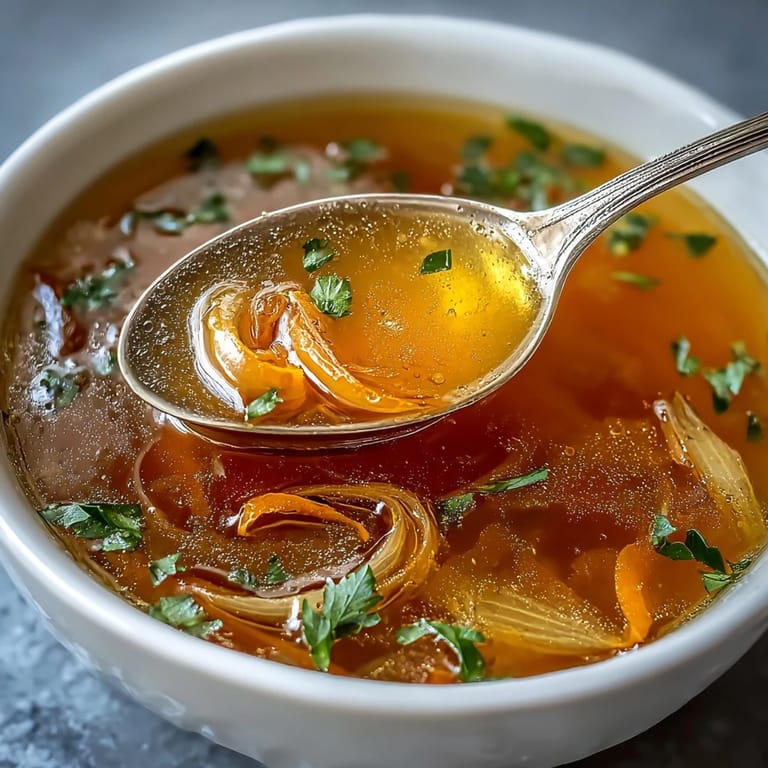
Once you've made basic vegetable broth a few times, you'll start wanting to experiment with depth. A strip of dried kombu adds oceanic umami that makes the broth taste almost mysterious, while a few dried shiitake mushrooms bring earthiness that feels luxurious. A piece of dried kelp or a handful of miso paste stirred in at the end can transform the whole thing into something you'd never guess came from scraps. These additions aren't necessary—they're just little tricks I've learned along the way.
- Kombu or dried shiitakes add umami depth without requiring fresh ingredients.
- A pinch of soy sauce or miso paste at the end creates complexity that tastes intentional.
- Smoked paprika or a dried chili can add warmth, though start with just a whisper.
 Pin It
 There's something deeply satisfying about opening your freezer and pulling out a bag of scraps you've been saving, knowing that in an hour you'll have homemade broth simmering quietly on the stove. It's one of those small kitchen habits that shifts how you think about cooking.
Recipe FAQs
- → What vegetable scraps work best?
Carrot peels, onion skins, celery ends, leek tops, mushroom stems, garlic skins, and parsley stems create the most balanced flavor profile. Potatoes (peeled) also work well.
- → Why avoid cruciferous vegetables?
Broccoli, cauliflower, Brussels sprouts, and cabbage can impart bitterness to your broth. For a cleaner, more versatile taste, stick with sweeter vegetables and aromatics.
- → How long does homemade broth keep?
Store your strained broth in airtight containers in the refrigerator for up to five days. For longer storage, freeze in portion-sized containers for up to three months.
- → Can I enhance the umami flavor?
Add a piece of kombu seaweed or dried shiitake mushrooms during simmering for a deeper, savory depth. These ingredients naturally boost the umami without overpowering the vegetable flavors.
- → Should I salt my broth?
Add salt during cooking to taste, but keep it light since you'll likely use this broth as a base for other dishes. You can always adjust seasoning later when incorporating it into soups or sauces.
- → How do I collect scraps efficiently?
Keep a large resealable bag in your freezer and add clean vegetable trimmings as you cook. Once you have five to six cups, you're ready to make a fresh batch of broth.