 Pin It
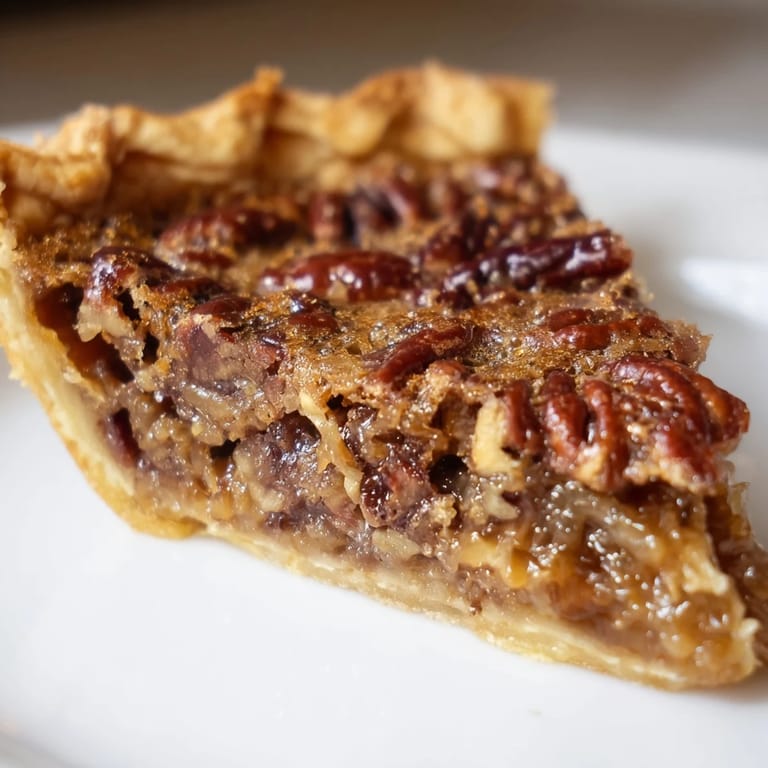
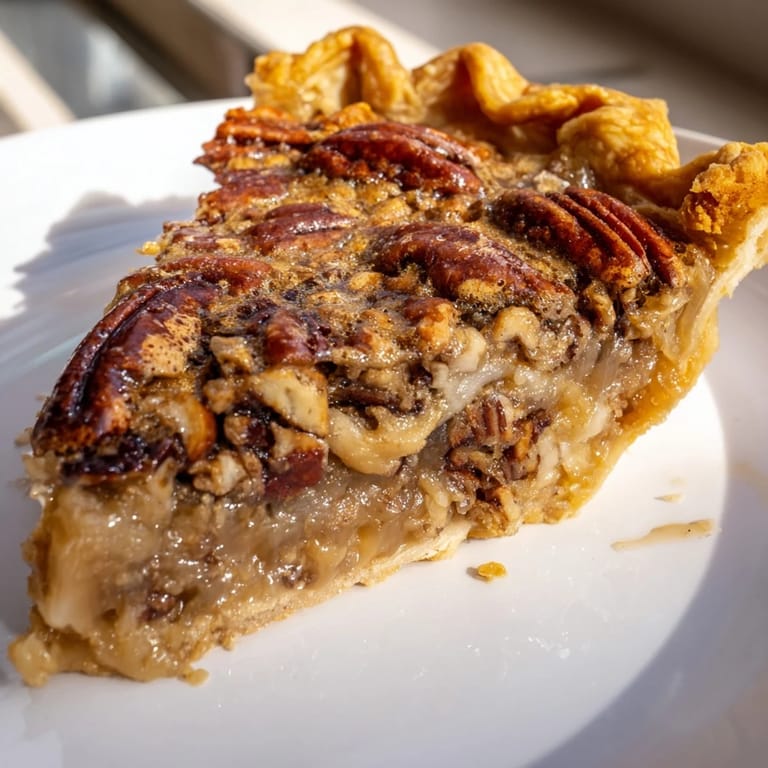
 My grandmother's pecan pie sat cooling on the kitchen counter every Thanksgiving, and I'd watch the filling settle with this subtle jiggle that meant it was done just right. Years later, I realized that wobble was actually the secret to keeping it from becoming rubbery, and that's when I stopped overbaking mine. There's something about the combination of buttery crust and that gooey, caramel-like filling studded with toasted pecans that feels less like dessert and more like tradition on a plate. The first time I made it without her standing behind me, I was terrified I'd mess it up, but the smell of butter and brown sugar melting together brought back every detail she'd taught me. Now it's my favorite thing to bake when I want the kitchen to smell like home.
I made this pie for a dinner party once when I was trying way too hard to impress some new friends, and I pulled it out of the oven with that nervous energy where you're not quite sure if you've nailed it. One of my guests took a bite, went quiet for a second, and then said, "This tastes like someone loves you," which is maybe the best compliment food can get. That moment made me realize pecan pie isn't about being fancy or perfect, it's about the comfort of knowing someone spent time on something delicious just for you.
Ingredients
- All-purpose flour (1 1/4 cups): Keep it cold and work quickly, because warm flour makes tough pastry instead of flaky layers.
- Unsalted butter (1/2 cup for crust, 1/2 cup melted for filling): The cold cubed butter creates those tender flakes, while the melted butter brings richness to the custard.
- Ice water (3-4 tablespoons): Add it gradually and stop the second the dough comes together, otherwise you'll end up kneading it like bread.
- Light brown sugar (1 cup, packed): Pack it down in your measuring cup so you get the real amount, which makes the filling sweet but not cloying.
- Light corn syrup (1 cup): This is what gives you that glossy, gooey center that doesn't crystallize as it cools.
- Eggs (3 large): They bind everything together and create that silky custard texture when baked properly.
- Pecan halves (2 cups): Toast them dry in a skillet first and you'll taste a depth of flavor that raw pecans just don't have.
- Vanilla extract (1 teaspoon) and salt (1/2 teaspoon): These quiet ingredients make the pecans taste more like themselves instead of just adding sweetness.
Tired of Takeout? 🥡
Get 10 meals you can make faster than delivery arrives. Seriously.
One email. No spam. Unsubscribe anytime.
Instructions
- Make the crust come together:
- Whisk your flour, salt, and sugar together, then cut in the cold butter until it looks like rough breadcrumbs with some pea-sized pieces still visible. Drizzle in the ice water slowly while tossing with a fork, and stop the moment the dough looks shaggy but holds together when you press it.
- Chill and rest:
- Shape the dough into a disk, wrap it up, and let it sit in the fridge for at least 30 minutes so the gluten relaxes and the butter stays cold. This is the step that separates tender, flaky crust from tough, dense pastry.
- Roll and fit:
- On a lightly floured surface, roll the dough into a 12-inch circle, working from the center outward and rotating as you go. Fit it into your pie dish, trim any ragged edges, and crimp them with your fingers or a fork.
- Heat your oven to 350°F:
- Get this going before you make the filling so the oven is fully preheated when you're ready to bake.
- Build the filling:
- Whisk together the brown sugar, corn syrup, melted butter, eggs, vanilla, and salt until you have a smooth, glossy mixture with no lumps. Stir in the pecan halves gently so they're evenly distributed.
- Pour and bake:
- Scrape the filling into your prepared crust and bake for 50 to 55 minutes, until the edges are set but the very center still has a slight jiggle when you shake the pan gently. If the crust edges start browning too fast, drape them loosely with foil.
- Cool completely:
- Let the pie sit on a wire rack until it reaches room temperature, which is actually when the filling sets properly and the slices hold their shape.
 Pin It
 There was a moment when I brought this pie to a Thanksgiving potluck and someone's seven-year-old asked for seconds before even trying the turkey, which felt like validation I didn't know I needed. It's funny how a dessert can become the thing people actually remember about a meal.
The Crust Matters More Than You Think
The difference between a mediocre pecan pie and an unforgettable one often comes down to the crust, which should be buttery and flaky rather than dense and bread-like. I learned this the hard way by food-processing my dough until it was baby powder fine, which gave me a crust that tasted more like shortbread than pie. Now I keep some pea-sized butter pieces in the mix and let them stay visible, because those little pockets of butter are what steam and create layers as the pie bakes. Your crust will never taste like someone else's, and that's the whole point.
Toasting the Pecans Changes Everything
Raw pecans taste fine, but toasted pecans taste like autumn itself, with this deep, almost smoky richness that elevates the entire pie. I spent years making this without toasting and honestly didn't know what I was missing until I tried it, and now I can't imagine going back. The best part is it takes five minutes in a dry skillet over medium heat, and you'll know they're done when the kitchen smells incredible and the nuts darken just slightly. This one small step is what separates a pie that tastes good from one people actually crave.
Serving and Storing
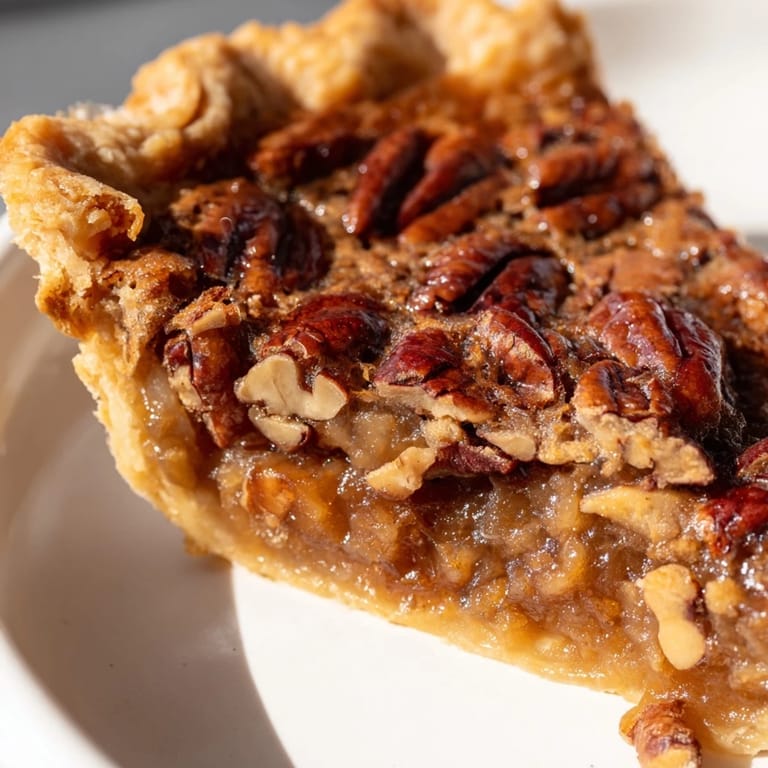
Pecan pie is best served at room temperature or slightly warmed, and it genuinely tastes better the day after you make it, when the flavors have settled and deepened. A scoop of vanilla ice cream or a dollop of whipped cream adds richness without overshadowing the pie itself. Store it loosely covered on the counter for a day or two, in the fridge for up to five days, or wrapped well in the freezer for up to a month.
- Room temperature slices have better texture and flavor than cold ones straight from the fridge.
- If the pie cracks slightly as it cools, don't worry because the filling settles and those cracks usually heal or become invisible once plated.
- Make this the day before serving if you want one less thing to worry about during a busy meal.
 Pin It
 This pie has a way of becoming part of your kitchen story, the dessert you make when you want to feel like someone who has their life together, even if the rest of the week was chaos. Every time I pull it out of the oven and see that perfect jiggle in the center, I'm grateful for recipes that taste like tradition and feel like home.
Recipe FAQs
- → How do I achieve a flaky, buttery crust?
Use cold, cubed butter and handle the dough minimally to keep the butter cold. Gradually add ice water until the dough just comes together, then chill before rolling out.
- → Can I toast the pecans before mixing?
Yes, toasting pecans in a dry skillet for 5 minutes enhances their flavor and adds depth to the filling.
- → What’s the ideal baking temperature and time?
Bake at 350°F (175°C) for about 50-55 minutes until the filling is set but retains a slight wobble in the center.
- → How do I prevent the crust edges from browning too fast?
Cover the edges with foil partway through baking to protect them from over-browning.
- → What complements the flavors best when serving?
Serve warm or cooled with whipped cream or vanilla ice cream to balance the richness.