 Pin It
 The first time I made Mango Sticky Rice Cups was on an especially balmy June afternoon, when every open window in the kitchen carried in the smell of honeysuckle and fresh cut grass. I’d seen the classic Thai dessert a dozen times at bustling night markets and always admired its joyful simplicity and stunning colors. What finally nudged me to try making it wasn’t so much nostalgia as sheer curiosity—how could rice become dessert, and yet taste like a celebration? As the coconut milk simmered, its sweetness mixed with jasmine tea brewing nearby, and I knew I was onto something lovely. These individual cups were born of both convenience and a bit of playful reinvention, perfect for when you want something both familiar and new.
I still remember serving these mango sticky rice cups at a small impromptu gathering on my balcony—everyone ended up leaning over their dessert, spoon in hand, comparing who got the most mango. The laughter that echoed over clinking glasses was only matched by surprised delight at how something so easy could taste so luxurious. That night, a favorite was born by accident, with sticky rice grains still clinging to our fingers.
Ingredients
- Glutinous (sticky) rice: This is the star—make sure to rinse and soak for the best, tender texture and that signature shine.
- Water: Just enough to cook the rice evenly; don’t skip the resting step for fluffiness.
- Full-fat coconut milk: Rich, creamy, and indulgent, this brings that lush tropical flavor—shake the can before using for an even texture.
- Granulated sugar: Balances coconut's earthiness, but you can adjust to your ideal sweetness.
- Salt: A tiny boost that sharpens all the flavors—don’t omit.
- Ripe mangoes: Look for ones that yield slightly to the touch; their ripeness is what makes each bite burst with juice.
- Toasted sesame seeds or mung beans (optional): Adds nutty crunch and a bit of contrast in color—toast gently to avoid bitterness.
- Fresh mint leaves (optional): I love a pop of green for freshness and fragrance, especially when serving to guests.
Tired of Takeout? 🥡
Get 10 meals you can make faster than delivery arrives. Seriously.
One email. No spam. Unsubscribe anytime.
Instructions
- Prep the rice:
- Rinse the sticky rice under cold water until it runs clear, a step that feels meditative and ensures the grains cook perfectly distinct, not gummy. Soak for an hour if you have the time—it’s worth it for a silkier bite.
- Cook the sticky rice:
- Add the rinsed rice and measured water to a small saucepan. Let it come to a gentle simmer, cover tightly, and cook over low heat for 15–20 minutes, then let it steam off-heat so every grain puffs up just right.
- Make the coconut sauce:
- In another saucepan, combine coconut milk, sugar, and salt. Warm gently over medium heat, stirring and inhaling the aroma, until the sugar dissolves—just don’t let it boil or you’ll lose that creamy texture; set aside 1/3 cup for finishing.
- Combine rice and coconut:
- Spoon the rest of the coconut sauce into the hot cooked rice, stirring gently to coat every grain. Cover and let it sit so the flavors can mingle and the rice absorbs all the lushness.
- Assemble the cups:
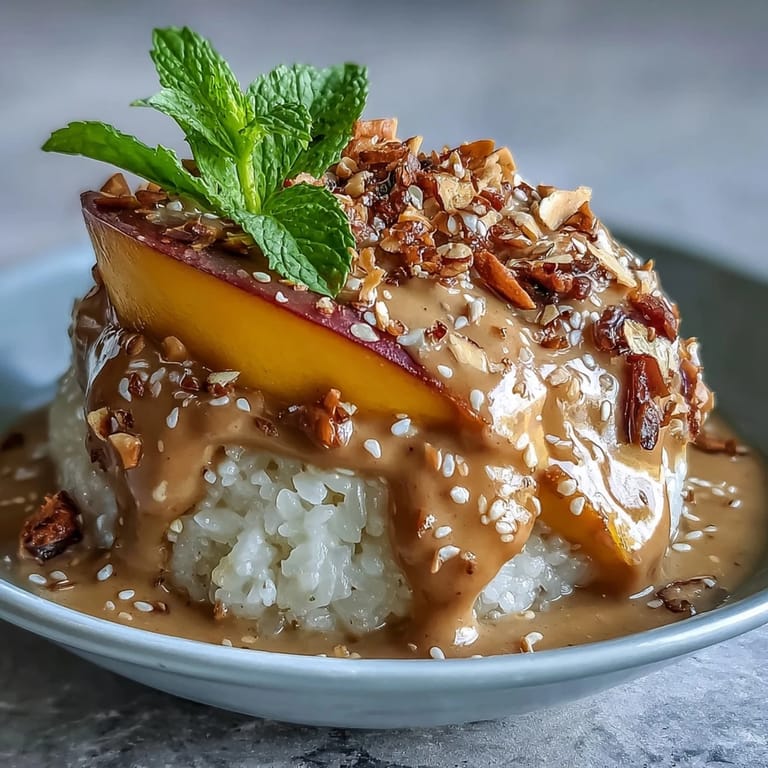
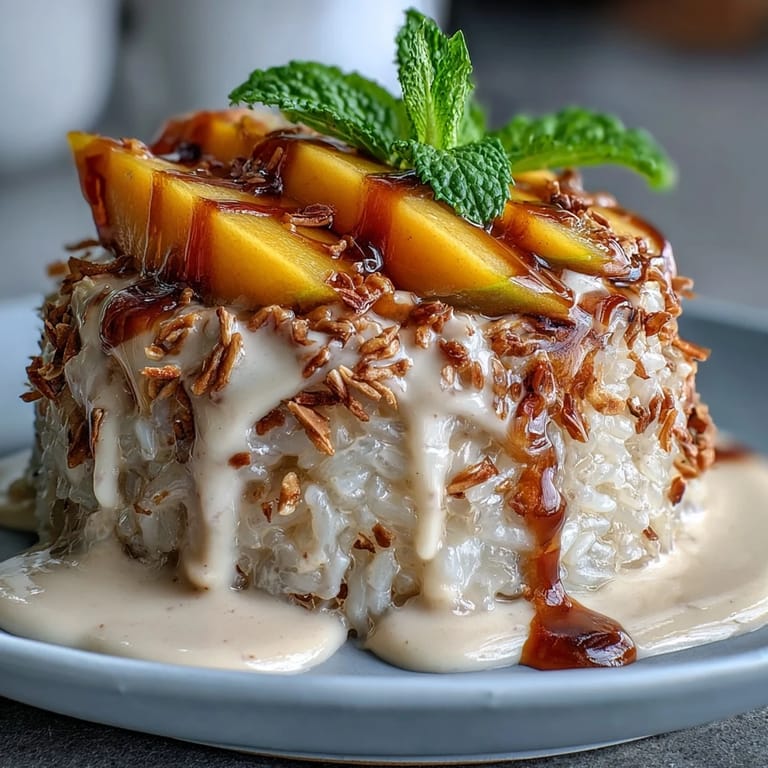
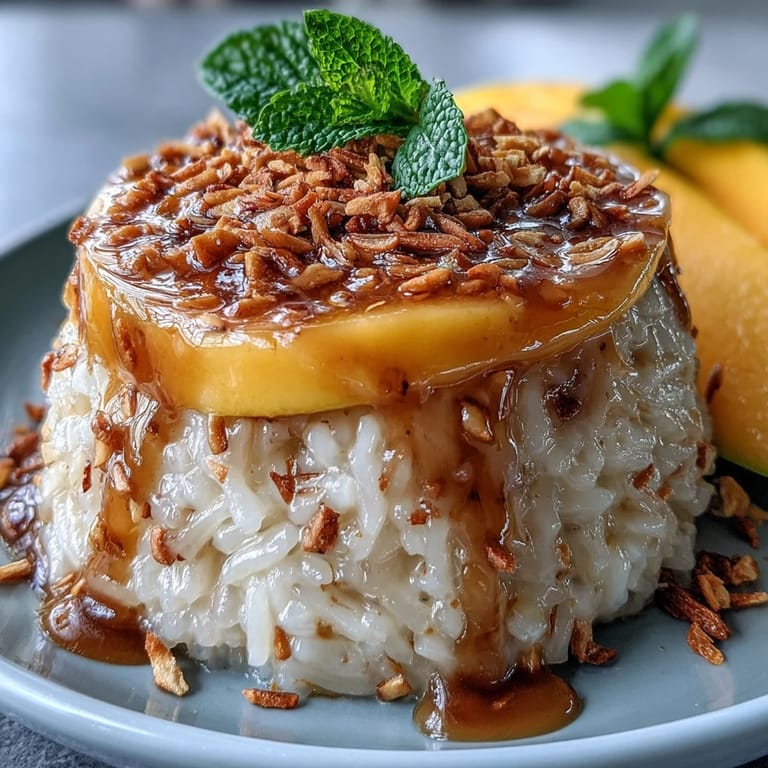
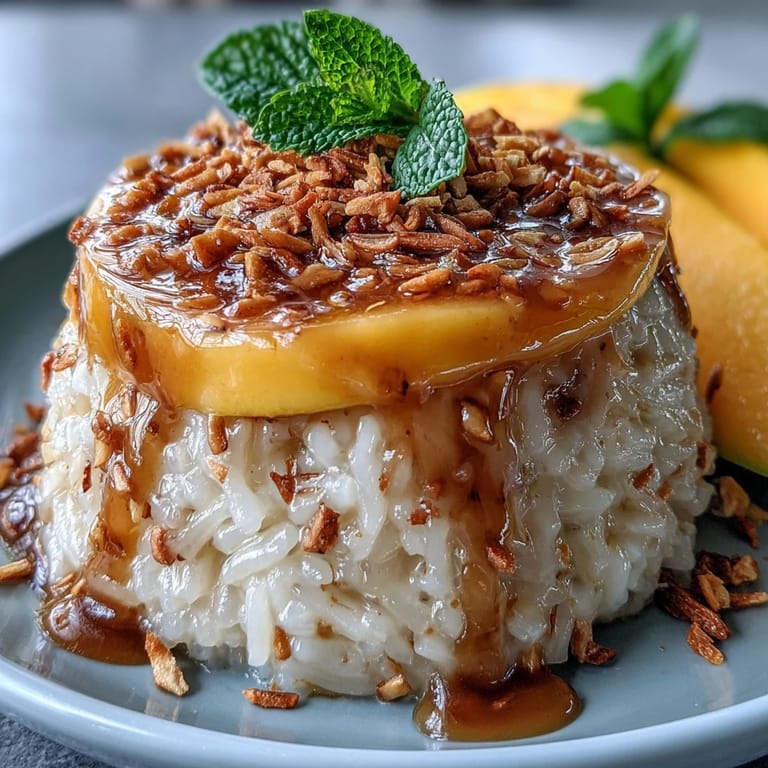
- Portion warm sticky rice into dessert cups, smoothing the surface. Fan the sliced mango over the top, drizzle with reserved coconut sauce, and admire the glossy finish.
- Garnish and serve:
- Scatter on toasted sesame seeds or mung beans for crunch and sprinkle with mint if you like. Serve immediately while the rice is still fragrant—or let it come to room temperature if the day is warm.
 Pin It
  Pin It
 It wasn’t until a friend texted me days after our gathering, asking for the recipe so she could “feel like summer after work,” that I realized how food really can linger beyond the table. Now, every time I prepare these, I’m reminded that memorable desserts don’t have to be complicated—sometimes joy is just coconut-scented rice and bright fruit at the end of a long day.
Getting Ripe Mangoes Just Right
I’ve found that waiting until mangoes are slightly soft and smell sweet at the stem makes all the difference; underripe ones can be rather tart and firm. Sometimes, if I get impatient, a paper bag on the counter for a day or two helps ripen them perfectly. A sharp knife for peeling is a must, and if the slices aren’t perfect—well, that’s just part of homemade charm. Often, the juiciest mangoes are a little tricky to handle, so I just embrace sticky fingers.
Modern Cups for Easy Serving
Switching from the traditional plate to little cups was born out of necessity when I ran out of serving dishes before a dinner party. Cups not only look adorable but also make portion control easy and clean-up a breeze. Guests seem to love having their own personal treat, complete with just the right amount of coconut drizzle. You can even let kids build their own for a bit of hands-on fun at dessert time.
Quick Ways to Elevate Your Dessert
If I really want to impress, I’ll add a tiny drop of pandan extract to the rice or sprinkle edible flowers on top for color. A dash of toasted coconut flakes works too, especially if I’m out of sesame seeds. Sometimes, just making sure everything is a bit warm when you serve it turns an ordinary treat into something guests might remember for a good while.
- Use the thickest part of the coconut milk for drizzling.
- If prepping ahead, wait to cut the mango until right before serving.
- Don’t forget a sprinkle of salt on the sauce—it’s what brings all the flavors together.
 Pin It
  Pin It
 I hope these Mango Sticky Rice Cups bring a little tropical sunshine into your kitchen, no matter the weather outside. Share them with friends or savor them solo—they never fail to brighten up the day.
Recipe FAQs
- → What type of rice should I use?
Use glutinous (sticky) rice for the characteristic chew and binding texture. Rinse until water runs clear and soak if time allows to ensure even cooking and tender grains.
- → Can regular rice be substituted?
Regular long-grain rice won’t yield the same sticky mouthfeel. Short-grain or sushi rice can be a fallback but will be less authentic in texture compared with true glutinous rice.
- → How do I achieve a creamy coconut finish?
Warm coconut milk with sugar and salt until combined, then fold most of it into the hot rice and let it rest so the grains absorb the liquid. Reserve a little sauce to drizzle over the top.
- → What’s the best way to serve and reheat leftovers?
Serve warm or at room temperature. For leftover cups, refrigerate in an airtight container and gently rewarm in a saucepan with a splash of coconut milk to revive the creaminess.
- → Which fruits or garnishes work as substitutes?
Ripe tropical fruits like pineapple, jackfruit, or lychee work well as alternatives. Toasted sesame seeds, mung beans or a touch of pandan add aroma and texture.
- → Any tips for scaling the portions?
Maintain roughly a 1:1.25 rice-to-water ratio for stovetop cooking and keep coconut milk-to-rice proportions consistent. Increase ingredients proportionally to preserve texture and flavor when multiplying yields.