 Pin It
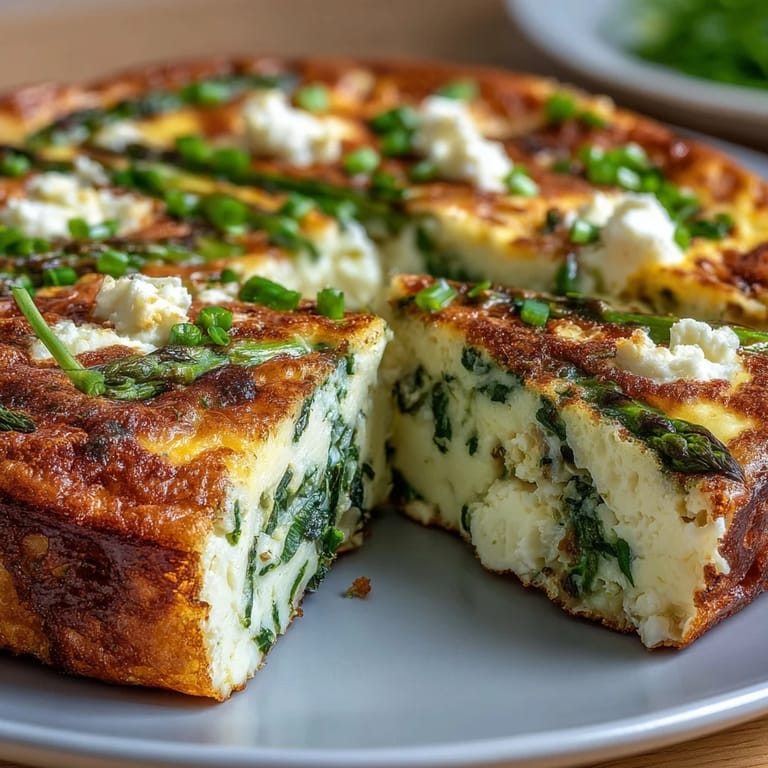
 Every spring, the shift in sunlight streaming through my kitchen window seems to beg for something green and lively. I stumbled upon this frittata recipe while rummaging through my fridge, hunting for ingredients to break up the monotony of winter staples. The moment I tossed asparagus and peas in the skillet, a fresh grassy aroma floated up, promising something special. There’s a pleasure in watching bright seasonal vegetables tumble together, like pieces of a puzzle just waiting for the eggs to bind them. Leaning over the pan, I felt the anticipation — and a bit of joy — that always comes from trying something new that’s just a little bit spontaneous.
The first time I made this for friends, one showed up early and we chatted about work as chopped spinach and onions joined asparagus in the pan. I lost track of time, laughing at a story, and almost let the veggies cook a bit too long — but that meant the peas were just caramelized right. Serving the frittata in wedges, each slice was met with a grin and a request for seconds. That happy accident taught me the value of timing and the simple joy of company in the kitchen. Sometimes, a busy room is the best seasoning.
Ingredients
- Asparagus: Select firm, bright stalks; snap the ends rather than slicing for the tenderest pieces.
- Fresh or frozen peas: Fresh peas add a distinct sweetness, but frozen ones work beautifully and save time.
- Baby spinach: Wilt it just until tender — overcooking will dull its color and flavor.
- Spring onions: These bring a mild bite; slicing them thin is key for even cooking.
- Eggs: Room temperature eggs whisk more smoothly and give a fluffier result.
- Whole milk or cream: Cream makes it silkier, but milk keeps it lighter — both are delicious choices.
- Goat cheese: Crumbling it by hand leaves rustic chunks that melt in pockets.
- Unsalted butter: Gives a gentle richness — let it foam but not brown for the best base.
- Fresh chives: Scatter them for color and a delicate oniony layer.
- Fresh dill or parsley: Choose whichever is freshest; their brightness rounds everything out.
- Salt and freshly ground black pepper: Always add a little at a time and taste — eggs can take more seasoning than you expect.
Tired of Takeout? 🥡
Get 10 meals you can make faster than delivery arrives. Seriously.
One email. No spam. Unsubscribe anytime.
Instructions
- Get Ready:
- Preheat the oven to 375°F (190°C), and gather your tools so everything’s within reach.
- Sauté the Veggies:
- Melt butter in an oven-safe skillet, then tumble in asparagus for a couple of minutes. Add peas and spring onions, sautéing until they turn a vivid green and begin to soften, then stir in spinach until just wilted.
- Blend the Egg Mixture:
- Whisk eggs, milk or cream, herbs, salt, and pepper until frothy and well incorporated.
- Pour and Set:
- Gently pour egg mixture over the sautéed veggies, then let it cook without stirring until the edges set and the middle remains soft, about 3–4 minutes.
- Add Goat Cheese:
- Sprinkle goat cheese crumbles evenly on top — they’ll begin to melt as the frittata finishes in the oven.
- Bake:
- Slide the skillet into the oven and bake for 10–12 minutes, until the frittata is puffed and just set in the center.
- Rest and Serve:
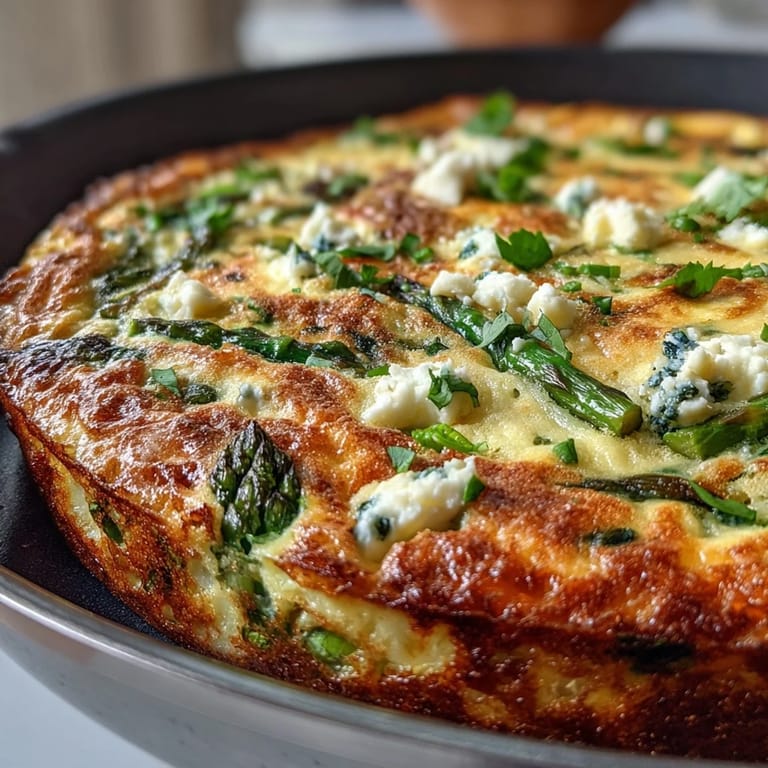
- Let it cool slightly for 5 minutes, then slice into wedges and serve warm or at room temperature.
 Pin It
 When I brought this frittata to a picnic, my hands still smelled faintly of chives, and the slices disappeared faster than the bread. Sharing homemade food outside always turns the afternoon into something warmer and more communal. The dish became a backdrop for laughter under budding trees, and the leftover wedge was just as good cold the next morning.
Bringing Spring Into the Kitchen
Spring vegetables are at their peak for such a brief window, so I try to enjoy them in as many dishes as I can. Tossing asparagus and peas into a frittata feels like celebrating the season’s colors on your plate. Even the act of whisking eggs takes on a rhythm, matching the energy of bright, green mornings. This recipe turns what’s local and fresh into something special, without any fuss. Cooking it feels like a small tribute to longer days and lighter meals.
Easy Customizations
Don’t hesitate to switch up the vegetables — zucchini or fava beans fit right in if you have them on hand. Sometimes I swap the herbs or use vegan cheese for friends who avoid dairy; the frittata always adapts. It’s forgiving if you need to feed a crowd, changing only the proportions. Quick stir-ins like cherry tomatoes or a dash of smoked paprika add new layers of flavor. Even leftover sautéed vegetables from last night’s dinner can make their way in for a practical twist.
Serving and Storage Suggestions
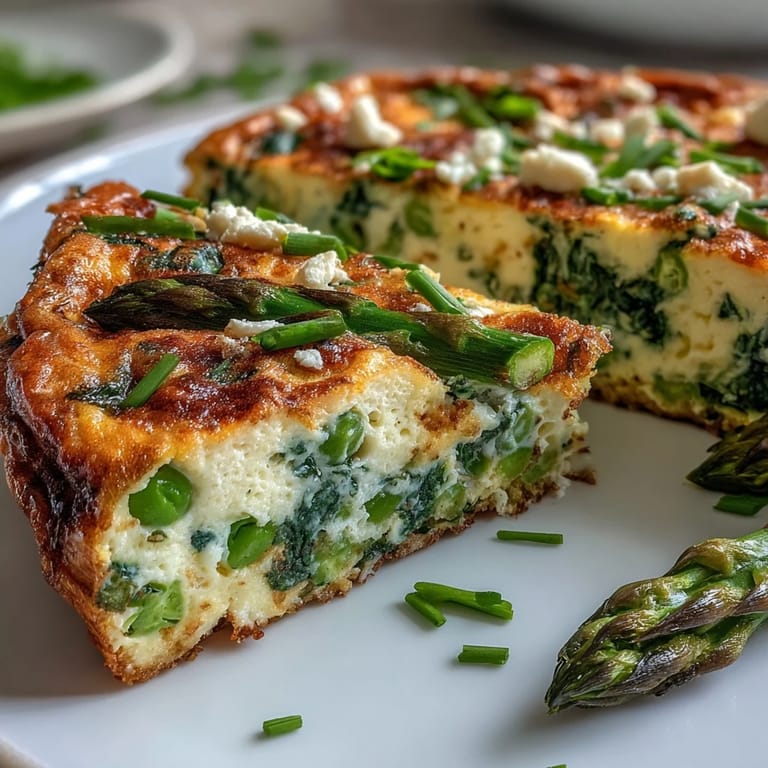
You can serve this frittata warm from the skillet or let it cool to room temperature for easy entertaining. If you have leftovers, wrap slices tightly and refrigerate — they’ll taste wonderful cold or gently reheated. I like to pack a wedge for lunch, with a side salad or crisp bread to round things out.
- If prepping ahead, cook frittata fully and chill, then reheat gently to preserve moisture.
- Bring to room temperature before serving for best flavor.
- A squeeze of lemon over each slice brightens everything a little more.
 Pin It
 Here’s to dishes that celebrate the season and bring people together, even on the simplest days. May your spring frittata always be bright, light, and just a little bit unexpected.
Recipe FAQs
- → Can I use frozen peas instead of fresh?
Yes, frozen peas work well and can be added directly to the skillet. Thawing is not required.
- → What herbs pair best with asparagus and peas?
Chives, dill, and parsley add a fresh flavor. You can also try basil or mint for variety.
- → How do I achieve a fluffy texture?
Whisk eggs thoroughly with milk and avoid overcooking. Baking ensures an evenly puffed finish.
- → Can I substitute goat cheese?
Feta, ricotta, or vegan cheese alternatives work well if you prefer a different flavor or dairy-free option.
- → What can I serve alongside?
A crisp green salad, crusty bread, or fresh fruit make great companions. Sparkling water or white wine pairs nicely.
- → Is this dish gluten-free?
Yes, all ingredients are naturally gluten-free. Just verify cheese and butter labels for hidden gluten.