 Pin It
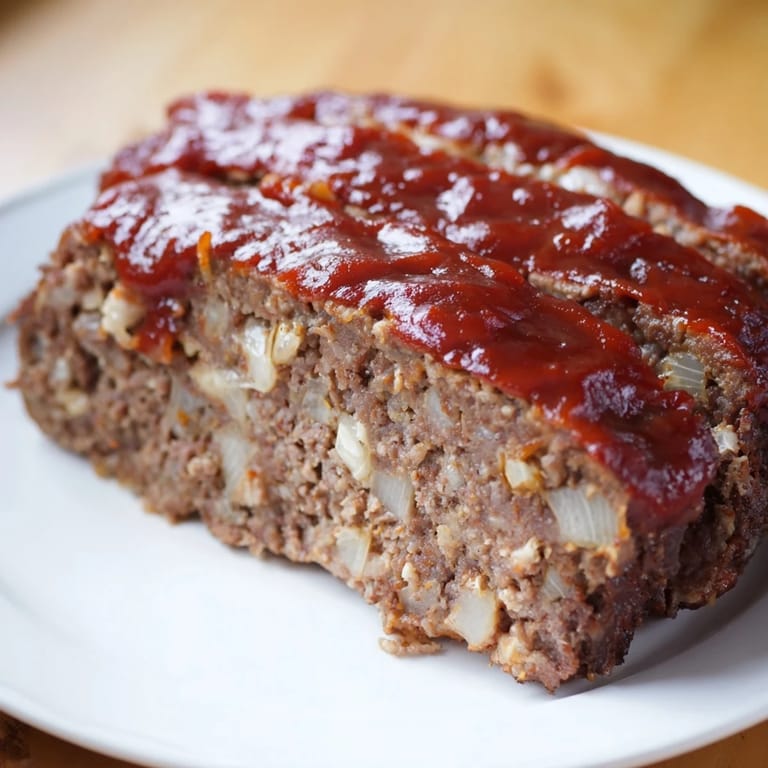
 There's something deeply satisfying about shaping ground beef with your bare hands, feeling it come together into something that transforms in the oven into comfort itself. My mom made meatloaf every other Thursday when I was growing up, and the house would fill with this warm, savory smell that meant everything was going to be okay that night. Years later, I realized what made hers special wasn't any fancy technique—it was respect for the simple ingredients and knowing exactly when to glaze it. Now I make it the same way, and it never fails to bring people back for seconds.
I'll never forget the first time I cooked this for my partner—I was nervous about getting the texture right, worried it would be dry or dense. When we cut into it and the steam rose up, and that first bite was tender and juicy, I saw his face light up in a way that made me understand why people pass recipes down through families. That meatloaf became our weeknight anchor, the thing we'd crave when life got hectic.
Ingredients
- Ground beef (1½ lbs, 80/20 blend): The 20% fat keeps the loaf moist and tender—leaner beef will make it dense and dry, so don't skip the fat content.
- Breadcrumbs (¾ cup): These absorb the milk and eggs, creating structure without making the loaf heavy like a brick.
- Whole milk (⅔ cup): This is what keeps things soft—pair it with the breadcrumbs at the start and let them soak together.
- Eggs (2 large): Your binding agent, but use just what you need—too many and you're eating an egg casserole, not meatloaf.
- Onion and garlic (1 small onion, 2 cloves): Mince these finely so they disappear into the meat, adding flavor without texture that distracts.
- Worcestershire sauce (2 tbsp): This is the secret depth that makes people ask what you did differently.
- Thyme and smoked paprika (1 tsp each): The paprika adds a whisper of smoke, while thyme brings earthy warmth without being obvious.
- Ketchup, brown sugar, mustard, and vinegar for the glaze: This combination is tangy, slightly sweet, and complex—it's what separates homemade from average.
Tired of Takeout? 🥡
Get 10 meals you can make faster than delivery arrives. Seriously.
One email. No spam. Unsubscribe anytime.
Instructions
- Set your stage:
- Preheat to 350°F and line a baking sheet with parchment or grease a loaf pan. This temperature gives you time to build a nice exterior without drying out the inside.
- Soak your breadcrumbs:
- Combine breadcrumbs and milk in a small bowl and let them sit for 5 minutes—they'll soften and distribute moisture evenly through the meat.
- Mix with a gentle touch:
- In your large bowl, combine the beef, soaked breadcrumbs, eggs, onion, garlic, Worcestershire, salt, pepper, thyme, and paprika. Use your hands and mix until everything is just barely combined—overworking develops gluten and makes it tough and dense.
- Shape with intention:
- Press the mixture into a loaf about 8 by 4 inches on your prepared sheet or in the pan. Compress it enough to hold together, but not so hard that you squeeze out all the air.
- Make your glaze:
- Whisk ketchup, brown sugar, mustard, and apple cider vinegar together—you'll notice how the brown sugar dissolves and the whole thing becomes glossy and complex-tasting, not just ketchup.
- First glaze and first bake:
- Spread half the glaze evenly over the top and sides. Bake for 45 minutes while the meat firms up and releases its juices.
- Finish strong:
- Add the remaining glaze and bake another 15 minutes until the internal temperature hits 160°F. The glaze will darken slightly and caramelize at the edges.
- Rest before cutting:
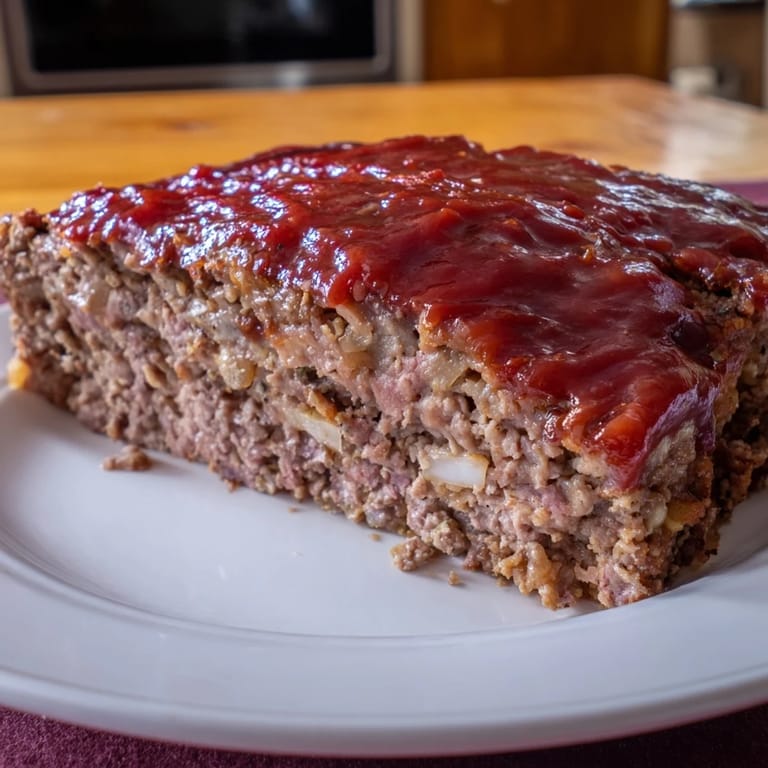
- Let it sit for 10 minutes—this lets the juices redistribute so every slice stays moist instead of weeping onto the plate.
 Pin It
 The moment that made me keep coming back to this recipe was unexpected: my teenage cousin, who claims to hate everything, asked for thirds. Nothing fancy happened, no drama—just honest, good food that made someone who's usually skeptical ask for more. That's when I realized meatloaf isn't boring; it's just been waiting for someone to take it seriously.
The Glaze Makes All the Difference
This isn't just ketchup spread on top—the combination of mustard, brown sugar, and vinegar transforms into something entirely different in the oven. The brown sugar caramelizes slightly, the mustard adds tanginess that balances the sweetness, and the vinegar keeps everything from being cloying. I've tried versions with just ketchup, and they taste like a completely different (and less interesting) dish. The acid in the glaze also helps break down the meat slightly, making it more tender as it bakes.
Why Rest Matters
After it comes out of the oven, those 10 minutes of resting aren't just a suggestion—they're the difference between slices that stay together and ones that fall apart on the plate. The meat keeps cooking slightly from residual heat, and the juices, which were driven to the surface by heat, redistribute back into the meat. Cut into it too early and you'll lose all that moisture to the plate instead of keeping it where it belongs.
Making It Your Own
The foundation here is solid, but meatloaf is forgiving enough to take on your own flavors. Some people add finely chopped carrots or celery for sweetness and nutrition, others work in a tablespoon of soy sauce instead of Worcestershire, and I've seen versions that swap the paprika for smoked chipotle powder. The breadcrumb-to-milk ratio and the glaze are what keep it from falling apart, but everything else is your canvas.
- For a lighter version, ground turkey works well, though it can be drier—add an extra egg or tablespoon of milk to compensate.
- Leftover meatloaf sliced thin and warmed or served cold on bread with mustard becomes the best next-day sandwich you'll have all week.
- Pair it with something simple like mashed potatoes or roasted vegetables that let the meatloaf be the star.
 Pin It
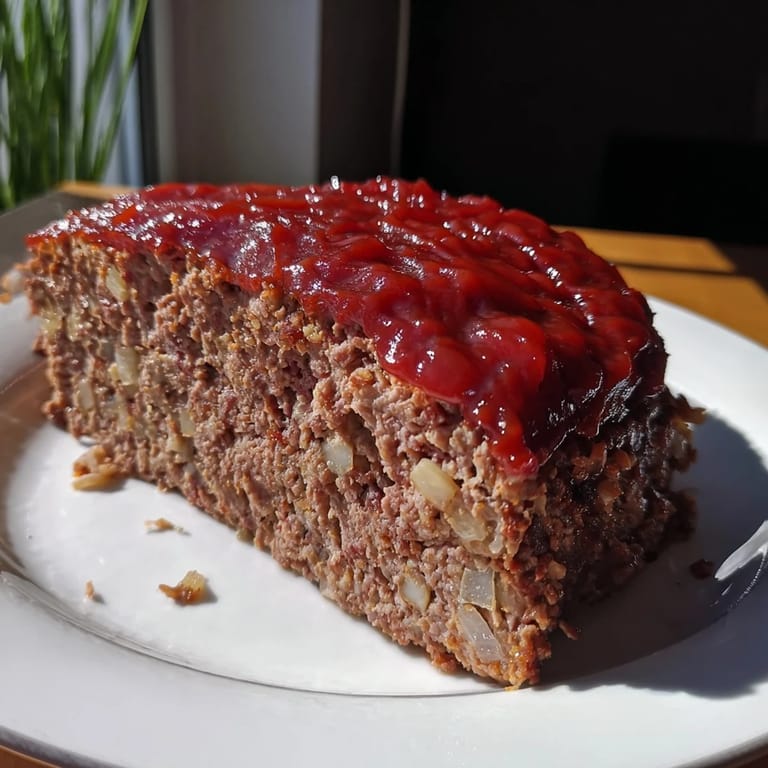
 Meatloaf reminds us that the simplest meals, made with care, are often what people remember. There's real comfort in food that doesn't demand attention but rewards it.
Recipe FAQs
- → What is the best ground beef blend to use?
An 80/20 blend of ground beef is ideal, balancing fat and lean for moist, flavorful results.
- → How does soaking breadcrumbs in milk benefit the loaf?
Soaking breadcrumbs in milk keeps the loaf moist and tender by retaining moisture during baking.
- → When should the glaze be applied during cooking?
Apply half the glaze before baking and the remainder halfway through to develop a rich, caramelized topping.
- → Can I substitute other meats in this dish?
Yes, ground turkey or chicken can be swapped for beef for a lighter version while maintaining flavor.
- → What internal temperature indicates doneness?
The meatloaf is fully cooked when the internal temperature reaches 160°F (71°C).
- → How long should the loaf rest after baking?
Let the loaf rest for about 10 minutes to allow juices to redistribute before slicing.